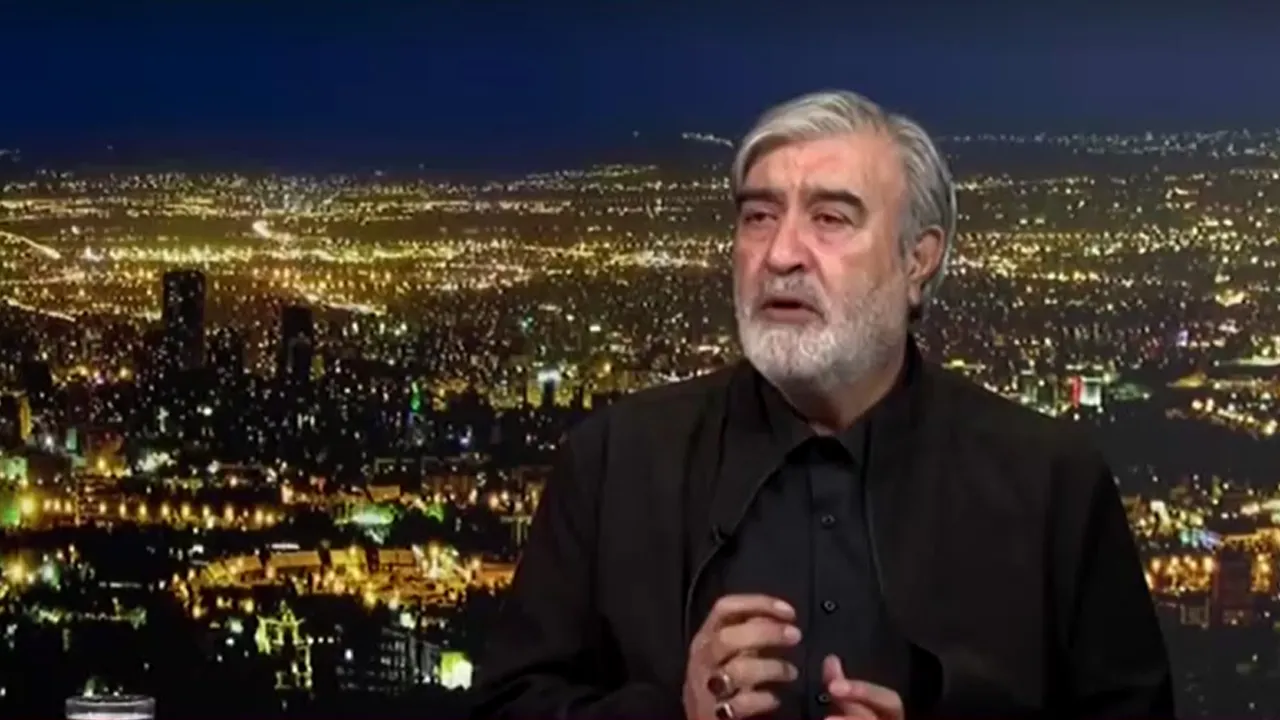
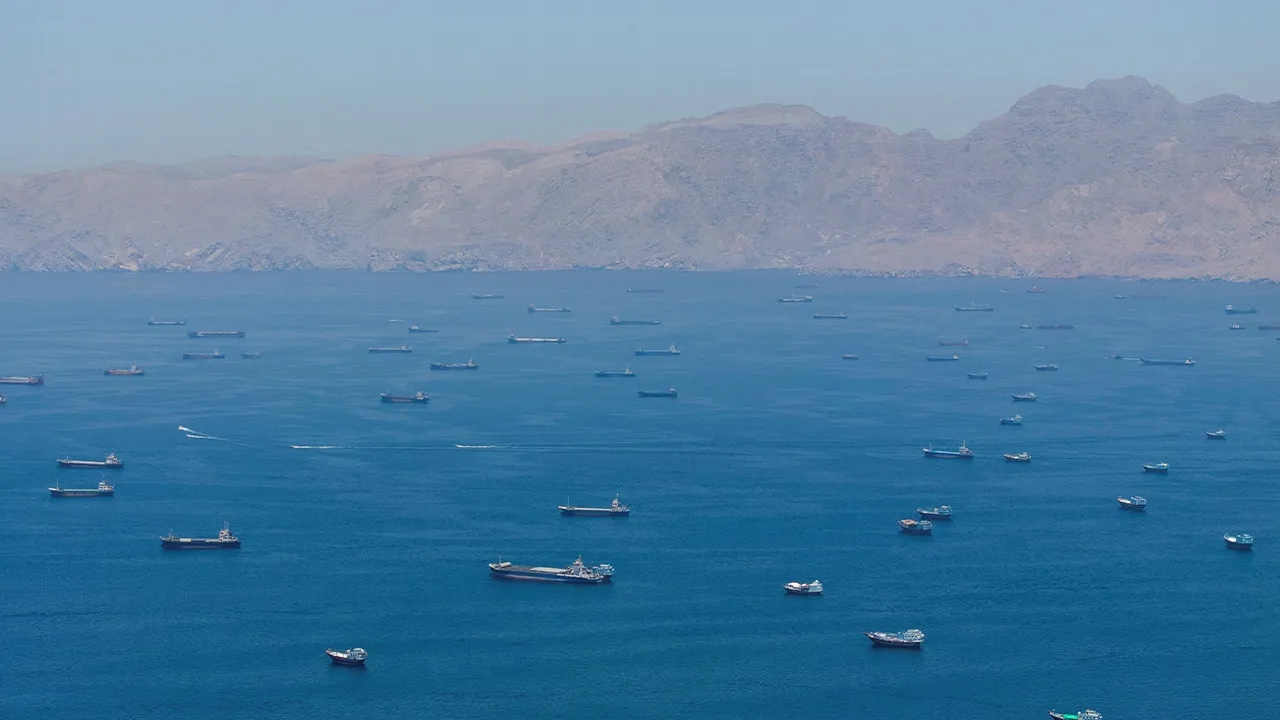
THE Strait of Hormuz will remain open to trade rather than hostilities, Former Chief Commander of Iran's Islamic Revolutionary Guard Corps (IRGC) Mohsen Rezaei said Wednesday, defending Iran's control of the waterway as vital for regional peace.
The strait, which links the Persian Gulf to global markets, carries nearly one-fifth of the world's oil shipments and is considered one of the most critical arteries of international commerce.
In an interview with China Global Television Network (CGTN), Rezaei framed Iran's stewardship of the strait as a stabilizing measure for Gulf security, positioning Tehran's management as a counter to what he called exploitation by the United States and Israel.
"The future of the Strait of Hormuz is dedicated to nothing but trade and development. However, our concern is the security of the Persian Gulf and the Strait of Hormuz, as its openness has been repeatedly exploited by the United States and Israel. Therefore, the issue of the Strait of Hormuz is not about Iranian excessive demands; it is about security and peace in the Persian Gulf. For this reason, we are serious in exercising our management over it. The Strait of Hormuz is closed to military expeditions, insecurity, and exploitation by international powers, but it remains open for trade especially for our friends, who we are certain seek nothing but economic cooperation and commerce," he said.
Rezaei emphasized that Iran's military strategy is built on asymmetric tactics, saying its forces rely on low-cost weapons to counter far more expensive U.S. systems.
"Since the Islamic Revolution, the entirety of Iran's armed forces - both the Army (Artesh) and the IRGC (Sepah) - has been re-architected. Within the IRGC, we have pioneered a new style and school of warfare based primarily on the principle of asymmetric warfare. This means we utilize highly cost-effective drones to strike multi-million and multi-billion-dollar installations. Even America's multi-million-dollar drones lack the maneuverability to counter our affordable drones. The same logic applies to our tanks and high-speed boats. Our tactics, operations, strategy, and doctrine are all entirely rooted in asymmetric warfare," said Rezaei.
The IRGC said on Thursday that 26 ships crossed the Strait of Hormuz over the past 24 hours after obtaining permission and coordinating with its Navy.
In a statement on its official news outlet Sepah News, it said that in violation of the April 8 ceasefire, the U.S. "terrorist" army launched missiles at empty areas of an airport in Iran's southern port city of Bandar Abbas, causing no casualties or damage. In response, the IRGC struck the U.S. base from which the attack originated and warned of a "harsh" response if repeated.
The IRGC said it is exercising smart control over the Strait of Hormuz with full power, and the 26 vessels, including oil tankers and commercial ships, transited via the Iran-designated safe route.
In a positive development, U.S. and Iranian negotiators have reached an agreement on a memorandum of understanding (MoU) to extend the ceasefire by 60 days and launch talks on Iran's nuclear program, but U.S. President Donald Trump has yet to give his final approval, U.S. media Axios reported Thursday, citing U.S. officials and a regional source.
Iran has also not confirmed its acceptance, though the report, citing U.S. officials, claimed that the Iranian negotiators had said they had the necessary approvals and were prepared to sign.