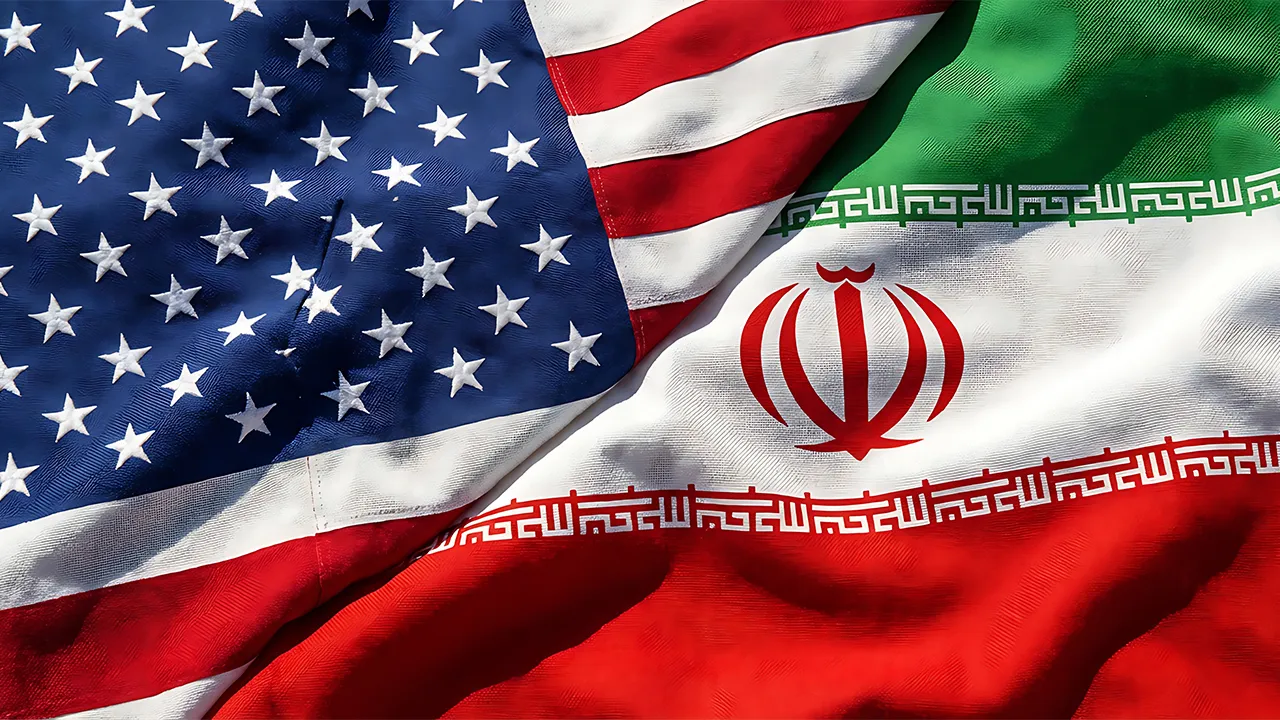

BEIJING: China's top leadership on Tuesday pledged to strengthen the country's energy security while pursuing rapid technological development and greater self-sufficiency, as the economy is beginning to be affected by the U.S.-Israeli war on Iran.
The world's second-largest economy grew 5.0% in the first quarter, at the top of its full-year target range of 4.5% to 5.0%, showing higher resilience than many other countries to the conflict, thanks in part to ample oil reserves and a diversified energy mix.
Still, soaring energy and raw materials prices threaten to drive up production costs and squeeze already thin margins at factories that employ hundreds of millions of people. And a wobbling global economy could slow demand for Chinese exports.
NEED 'TO RESPOND TO EXTERNAL SHOCKS'
The Politburo, a top decision-making body of the ruling Communist Party, was cited as saying by state news agency Xinhua that the economy got off to a better-than-expected start this year.
But it added: "We must systematically respond to external shocks and challenges, improve energy resource security guarantee levels and counter various uncertainties with the certainty of high-quality development."
The phrase "high-quality development" refers to the pursuit of scientific and technological progress with the goal of moving China higher on the value-added ladder.
The meeting's readout "shows that the government is aware of the difficulties and challenges the economy faces," said Zhiwei Zhang, chief economist at Pinpoint Asset Management.
"Economic momentum will likely slow in the second quarter due to the uncertain external environment and high energy prices."
The Politburo said it was "necessary to accelerate the construction of a modern industrial system," promote artificial intelligence adoption throughout the economy, seek "scientific and technological self-reliance" as well as greater control of supply chains.
In the latest five-year roadmap announced in March, China has framed technological dominance and localised supply chains as core national security goals, disappointing those who have been calling on Beijing to rebalance its economy towards consumption and contribute more to global demand.
In line with past policy documents, the Politburo also gave a nod to the need to boost consumption, stabilise the struggling property sector, safeguard the job market and curb industrial overcapacity - policies that would reduce deep supply-and-demand imbalances in the economy.
But these were mentioned lower in the statement, suggesting Beijing prioritises industrial and technological dominance over other policy goals.
"The Politburo remains committed to high-quality development and to making better use of domestic resources to achieve high-tech growth," said Marco Sun, chief financial markets analyst at MUFG Bank.
NO IMMINENT STIMULUS?
Analysts say ample oil reserves, heavy use of coal and high adoption of solar, wind and electric vehicles have given China better chances of weathering the closure of the Strait of Hormuz than many European or Asian economies.
But China is not immune to the fallout from the conflict.
Shipments grew just 2.5% last month, slowing sharply from 21.8% in the January to February period. Higher input costs showed up in the March inflation data, as factory gate prices roseout of deflation for the first time in more than three years, without any evidence of a rebound in consumption.
The Politburo reiterated China's "proactive" fiscal stance and "appropriately loose" monetary policy - similar language to its previous meetings, suggesting no imminent additional stimulus plans.
But analysts have not ruled out more fiscal or monetary easing later if the impact of the Iran war intensifies.
"If export growth turns negative, I’d expect further policy support from the government," Pinpoint's Zhang said.